
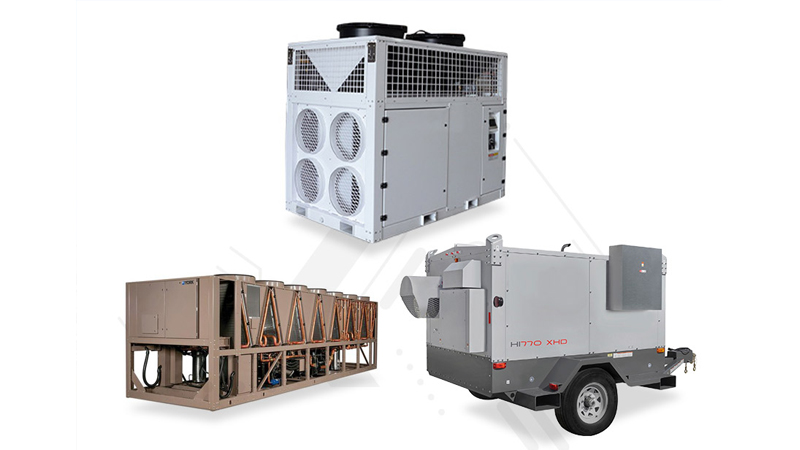
Your warehouse temperature affects everything. Worker performance drops, equipment overheats, and inventory damage climbs. Heat stress sends employees home or worse, to the hospital.
You manage a large space with high ceilings, and loading dock traffic runs constantly. Heat-generating equipment operates all day. Traditional air conditioning costs too much. It still leaves hot spots throughout your facility.
The right cooling approach balances worker safety, equipment protection, and operational costs.
In this guide, you’ll learn why warehouse cooling directly impacts your bottom line and see common obstacles facing large facilities. You’ll explore the most effective cooling systems for different scenarios.
Why Warehouse Cooling Is Critical for Safety and Productivity
Heat exhaustion becomes a real risk when temperatures inside your facility climb above 80-85°F. Your workers slow down. They face serious health hazards during the summer months or in facilities with poor ventilation.
OSHA guidelines recognize heat stress as a preventable workplace hazard.
Workers in hot environments experience decreased cognitive function. They have reduced physical stamina, and injury rates go up. Turnover spikes when employees consistently work in uncomfortable conditions. Replacing trained warehouse staff costs thousands per position.
The Hidden Costs of Excessive Heat
Your productivity takes an immediate hit when temperatures rise. Workers need more frequent breaks, and tasks take longer. Accuracy suffers during picking, packing, and inventory management.
Equipment suffers too. Forklifts and conveyor systems generate their own heat. Then they operate in already-hot conditions.
Electronics and machinery malfunction more frequently, requiring more frequent maintenance. Heat-sensitive inventory can become damaged or unsellable. This includes pharmaceuticals, food products, and certain building materials.
Poor air quality compounds these problems. Stagnant hot air traps dust, exhaust fumes, and other airborne particles. Workers breathe harder in the heat, inhaling more contaminants.
The financial impact extends beyond obvious productivity losses. Equipment downtime means delayed shipments. Product damage means waste and customer complaints. Employee turnover means constant recruiting and training costs. Energy bills climb as you run inefficient cooling systems harder and longer.
Common Challenges When Cooling Large Warehouses
Most warehouses prioritize storage capacity and operational flow over climate control, creating significant cooling obstacles.
Structural Barriers Work Against You
High ceilings create natural heat stratification. Hot air rises and stays trapped near the roof while your workers suffer in the heat below. A 30-foot ceiling means you’re cooling a massive volume of air, most of it well above where anyone works.
Large square footage compounds the problem. A 50,000-square-foot facility requires industrial-scale cooling capacity. Traditional air conditioning systems designed for office buildings can’t efficiently handle the load. You’ll face enormous energy costs trying to cool that much warehouse space with undersized equipment.
Older buildings often have minimal or no insulation. Metal roofs absorb heat all day and radiate it into your warehouse. Concrete walls transfer outdoor temperatures inside.
Operational Factors Complicate Temperature Control
Loading docks create constant air exchange with the outdoors. Every time a door opens, hot air rushes in. Truck traffic means doors stay open for extended periods during summer heat. You can’t shut down operations to maintain temperatures.
Heat-generating equipment runs throughout your facility. Forklifts produce engine heat, and conveyor motors warm up during operation. Older lighting systems add a significant thermal load. Production equipment in manufacturing warehouses generates even more heat.
Airflow becomes inconsistent across different zones. Some areas have good natural ventilation, while others become dead zones. Pallets stacked to the ceiling block air movement. Rack configurations create barriers to air circulation.
Balancing these priorities without a clear strategy leads to inadequate warehouse cooling solutions.
The Best Warehouse Cooling Systems for Large Facilities
Your cooling strategy depends on your facility size and budget. You also need to decide between permanent infrastructure or flexible temporary support. Here are the most effective warehouse cooling solutions available today.
Air Conditioning Systems for Warehousing Cooling
Air conditioning units deliver precise temperature control and humidity management. They’re the gold standard for warehouse cooling when conditions demand reliable performance.
Central HVAC Systems
Central HVAC systems provide comprehensive climate control for warehouses. They manage precise temperatures across large spaces.
These refrigerant-based air conditioning systems cool your entire facility to specific temperatures. This is essential when storing temperature-sensitive inventory or operating in extreme climates.
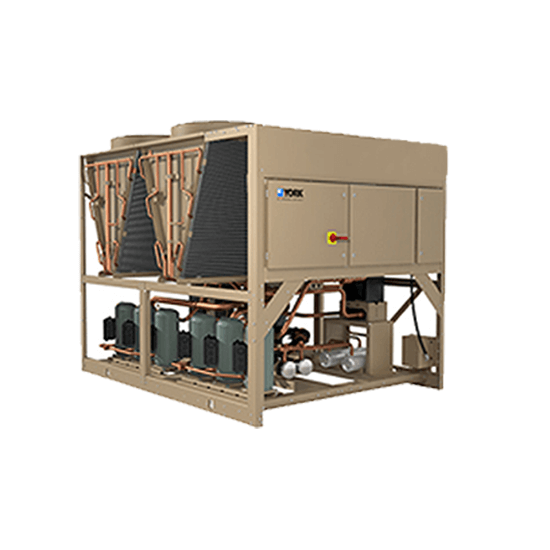
Modern HVAC installations offer high efficiency ratings. They reduce energy costs compared to older units. Variable-speed compressors adjust cooling output to match current demand. Zoned systems let you cool specific areas more intensively while maintaining baseline temperatures elsewhere.
The investment runs high. Installation costs for warehouse-scale HVAC systems reach into six figures. This depends on your square footage and ceiling height.
Ongoing maintenance, filter replacement, and refrigerant servicing add operational expenses. But for facilities requiring year-round climate control, central air conditioning delivers consistent results. It protects both workers and inventory.
Energy-efficient models reduce operating costs significantly. Look for systems with high SEER ratings. These high-efficiency units consume less power while delivering the same cooling capacity. The upfront cost premium typically pays back within 3-5 years through lower energy bills.
Portable Air Conditioners and Spot Coolers
Portable air conditioners and spot coolers solve your most immediate cooling challenges. These units provide concentrated cooling where your workers need it most, packing stations, quality control areas, equipment operator positions, or loading dock zones.
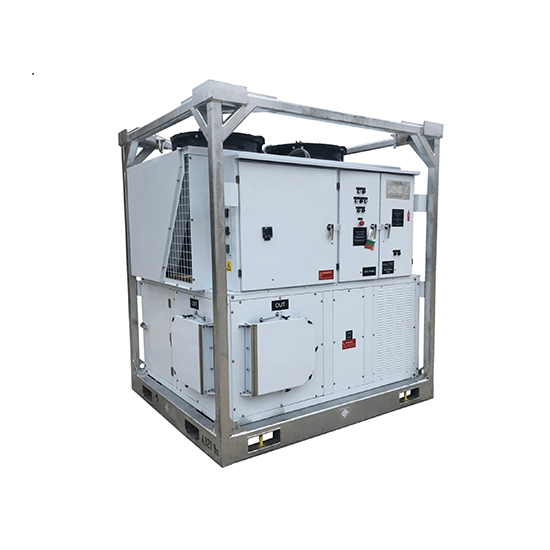
Spot-cooling targets problem areas without the expense of cooling your entire warehouse. Position units near heat-generating machinery to protect equipment performance. Direct cool air to worker stations during peak heat hours. Move them as your operational needs change throughout the day or season.
These refrigerant-based systems deliver cold air directly to hot spots. A 5-ton portable air conditioner can effectively cool 1,500-2,000 square feet. Multiple units strategically positioned throughout your facility provide comprehensive coverage at a lower cost than whole-building HVAC systems.
Installation takes minutes. Roll the unit into position, plug it in, and direct the airflow where you need it. When you face an unexpected heat wave or an HVAC system failure, portable cooling equipment can be deployed the same day.
Rental options deliver maximum flexibility. Scale your cooling capacity up during summer months or special projects without permanent investment. Return units when temperatures moderate. Avoid storage, maintenance, and year-round costs for equipment you only need part-time.
Modern portable air conditioners are more energy-efficient than older models. Variable-speed fans and improved refrigerants reduce power consumption. Some units include heat pump technology that can provide heating during cooler months, extending usefulness beyond summer cooling.
Supplemental Cooling Methods
Air conditioning units work best when combined with complementary cooling strategies. These methods enhance the effectiveness of your primary cooling system. They reduce overall energy costs.
Evaporative Cooling Solutions
Evaporative coolers use water evaporation to cool air. They’re also called swamp coolers. This process consumes 75% less energy than traditional air conditioning units. These systems work exceptionally well in dry climates where humidity stays low.
The science is simple. Water evaporates and absorbs heat from the surrounding air. Fans push this cooled air throughout your warehouse. You’ll see temperature drops of 15-30°F. This depends on outdoor humidity levels. Operating costs stay low because the system relies on water and fan power. It doesn’t use energy-intensive refrigerant compression.
Climate matters significantly. Evaporative coolers lose effectiveness in humid regions. The air already carries substantial moisture. Once outdoor humidity exceeds 50-60%, cooling performance drops dramatically.
In dry climates, evaporative cooling effectively handles warehouse temperature control. You can achieve substantial cooling at a fraction of the cost of air conditioning systems. Many facilities use evaporative coolers for general warehouse cooling. Then they deploy portable air conditioners in specific zones. requiring lower temperatures or humidity control.
Dehumidification for Humidity Control
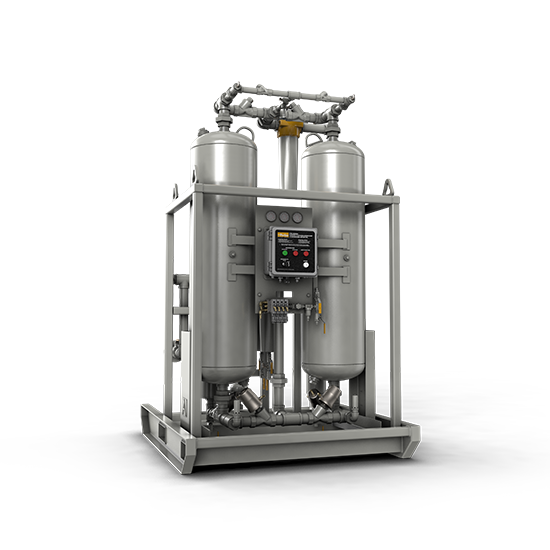
Portable dehumidifiers address the humidity component of uncomfortable warehouse conditions. High humidity makes heat feel worse. Your workers sweat, but the moisture doesn’t evaporate efficiently. Additionally, condensation forms on equipment and inventory.
Dehumidifiers remove moisture from the air,r improving comfort even when temperatures stay warm. The units work alongside air conditioning systems to create better overall air quality. In humid regions, dehumidification often matters as much as cooling itself.
Rental options let you deploy dehumidification capacity exactly when and where conditions demand it.
Air Movement and Circulation Systems
Proper airflow distribution maximizes your air conditioning system’s effectiveness. Even the best HVAC units underperform when air doesn’t circulate throughout your warehouse space.
HVLS (High Volume, Low Speed) Fans
HVLS fans move massive volumes of air efficiently throughout large warehouse spaces. These ceiling-mounted fans feature blades spanning 8 to 24 feet in diameter. They turn at low speed to push air downward and outward across your facility.
The cooling effect comes from air movement across the skin. It doesn’t come from lowering the actual temperature, and workers feel 8-10°F cooler.
This happens due to increased evaporative cooling from their natural perspiration. This perceived cooling improves comfort and productivity without the energy costs of air conditioning alone.
HVLS fans break up heat stratification. Hot air trapped near your ceiling gets pushed down. It mixes with cooler air at floor level. Temperature becomes more uniform throughout your vertical space. Any air conditioning system you run works better when HVLS fans distribute the conditioned air.
These fans amplify your HVAC investment. A central air conditioning system, which cools air at ceiling level, ensures that cool air is distributed to the worker level immediately.
Energy efficiency is a major benefit. A single HVLS fan consumes about as much electricity as a standard household appliance. It moves air across 20,000 square feet or more. Compare that to running multiple smaller fans or trying to cool the same area with air conditioning alone.
Industrial Ceiling Fans and Floor Fans
Industrial ceiling fans and floor fans provide cost-effective air circulation. Use them where HVLS installation isn’t feasible, or the budget allows only basic solutions. Smaller ceiling fans positioned strategically improve airflow in specific zones. Floor-mounted industrial fans direct air movement exactly where needed.
These fans prevent stagnant air pockets. Dead zones where hot air accumulates become better ventilated. Workers stationed in specific areas get direct airflow. Equipment stays cooler when air circulates it rather than letting heat build up.
Use these fans to supplement your air conditioning systems. Cool air distributes more effectively when fans push it throughout your warehouse space. Spot coolers deliver better coverage when fans move the cooled air to surrounding areas.
Natural Ventilation Strategies
Natural ventilation uses physics and smart design to move air. It requires no mechanical systems. Cross-ventilation occurs when you position intake and exhaust points to create airflow paths through your building.
Exhaust fans near the roof remove hot air that rises naturally. Intake vents at ground level or through open loading docks draw in cooler air. When outdoor temperatures drop below indoor levels, aggressive ventilation flushes accumulated heat from your facility. This typically happens during evening and morning hours.
Roof vents and ridge ventilation systems provide passive hot-air escape routes, and heat rises continuously. Giving it an exit path reduces the overall thermal load in your warehouse. These systems work 24/7 without energy consumption.
Keep Your Warehouse Running Efficiently with HOLT Industrial Rentals
Your warehouse cooling challenges don’t wait. Heat stress threatens your workers today, while equipment overheats. Temperature-sensitive inventory sits at risk this minute.
HOLT Industrial Rentals delivers industrial-grade portable air conditioners, spot coolers, and comprehensive HVAC solutions to your facility.
Our rental fleet includes high-efficiency portable air conditioning units. They’re sized from small spot coolers to industrial systems handling thousands of square feet. We handle delivery, installation, and ongoing support. You focus on operations while we ensure your cooling equipment performs reliably.
Every facility presents unique cooling challenges. Our team assesses your warehouse space, identifies heat sources, and identifies problem zones. Then we recommend air conditioning solutions that balance effectiveness with budget.
Emergencies demand immediate response. HVAC system failures can’t wait for quotes and approval processes. Call us, and we’ll have portable air conditioners delivering cool air to your facility within hours. Our 24/7 availability means you get cooling capacity when you need it most.
Call 844-660-RENT (7368) or schedule a site assessment to find the right cooling equipment for your warehouse. We serve facilities across the United States with the industrial-grade air conditioning systems and portable cooling solutions your operation demands.